We're standing at an inflection point in content creation. AI has evolved from a curiosity to a co-creator, and the pace of change is only accelerating. The creator economy is projected to reach $203.6 billion by the end of 2026, with AI-enabled strategies driving much of that growth. Here's what I see coming — and what every creator should be preparing for.
Multimodal AI Is the New Normal
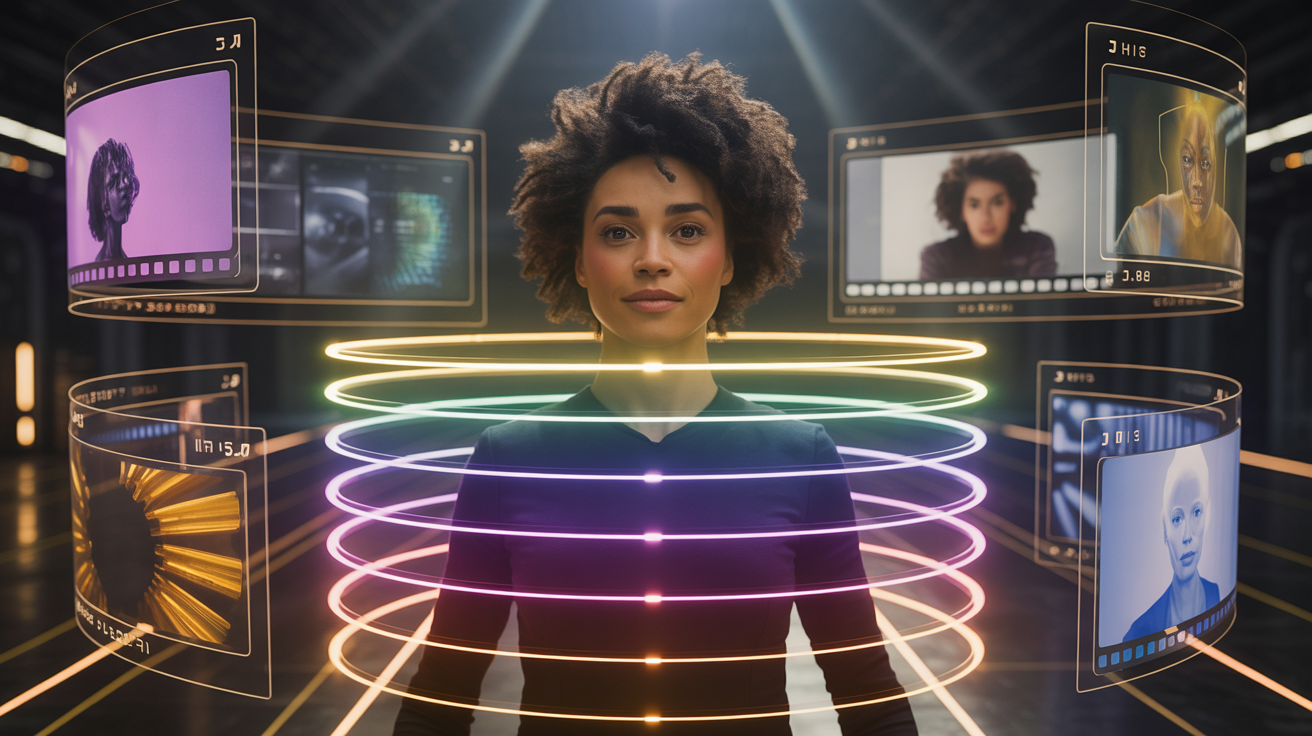
The biggest shift of 2026 is multimodal AI — systems that don't just work with text or images in isolation, but understand and create across video, audio, images, and text simultaneously. Tools like Seedance 2.0 already generate unified audio-video content from a single prompt. Google's Gemini and OpenAI's GPT-5.4 can orchestrate entire campaigns across channels. We're moving from single-tool workflows to orchestrated creative pipelines.
The Democratization of Professional Content
What used to require a recording studio, a film crew, a graphic design team, and months of production can now be accomplished by a single creator with the right tools. This isn't about replacing professionals — it's about giving independent creators access to production quality that was previously reserved for major studios. Over half of creators report time savings exceeding 50%.
Hyper-Personalization at Scale
AI is enabling content that adapts to individual viewers in real-time. Imagine a music video that subtly shifts its visual style based on who's watching, or a product demo that emphasizes different features depending on the viewer's interests. This level of personalization was science fiction two years ago. Now it's being built.
The Ethics Question
With great power comes great responsibility. The industry is grappling with critical questions:
- •Copyright — Who owns AI-generated content? Licensing deals between AI companies and rights holders are being struck, but the legal framework is still evolving.
- •Transparency — Standards for disclosing AI-generated content are emerging. Audiences deserve to know when they're consuming AI-created material.
- •Authenticity — As AI content becomes indistinguishable from human-created work, maintaining authentic creative voice becomes more important, not less.
- •Data scarcity — AI needs training data, and some predict human-generated data could become scarce by 2027, pushing the industry toward synthetic data generation.
What I'm Excited About
As someone working at the intersection of AI and creative expression, here's what excites me most:
- 1.AI as a collaborator, not a replacement — The best results come from human vision + AI execution. Your creative voice, your story, your perspective — amplified by AI's technical capabilities.
- 2.Cultural storytelling at scale — Tools that let independent creators tell stories that major studios wouldn't greenlight. Stories about our communities, our heritage, our futures.
- 3.Accessibility — A teenager in Lagos, a grandmother in Detroit, a first-generation college student anywhere — all can now create professional-quality content. The barriers are crumbling.
- 4.Photo restoration breakthroughs — AI restoration tools now upscale to 16K, add realistic colorization, and reconstruct damaged faces with remarkable accuracy. Family memories that were fading can be brought back to life.
Preparing for What's Next
My advice for fellow creators:
- •Learn the tools now. The learning curve gets steeper as the tools get more powerful.
- •Find your creative voice. AI can execute, but it can't dream. Your unique perspective is your competitive advantage.
- •Stay ethical. Be transparent about AI use, respect copyright, and credit your tools.
- •Build your audience. Tools change, but your relationship with your audience endures.
At Sonkofa Studio, we're not just using AI — we're exploring what it means to create in this new era. Every video, every song, every restored photograph is a conversation between human creativity and artificial intelligence. And honestly? That conversation is just getting started.